1. Hard surfaces
Glass, metal, sealed wood and plastic are cleaned with products matched to the agent.
Cole Camp, MO · Benton County
Looking for tear gas removal in Cole Camp? (877) 812-4220 is answered 24/7. A cleanup team contains the space, uses methods matched to the agent and checks the result before anyone returns.
If anyone is in danger, call 911 first. For a suicide crisis, call or text 988.
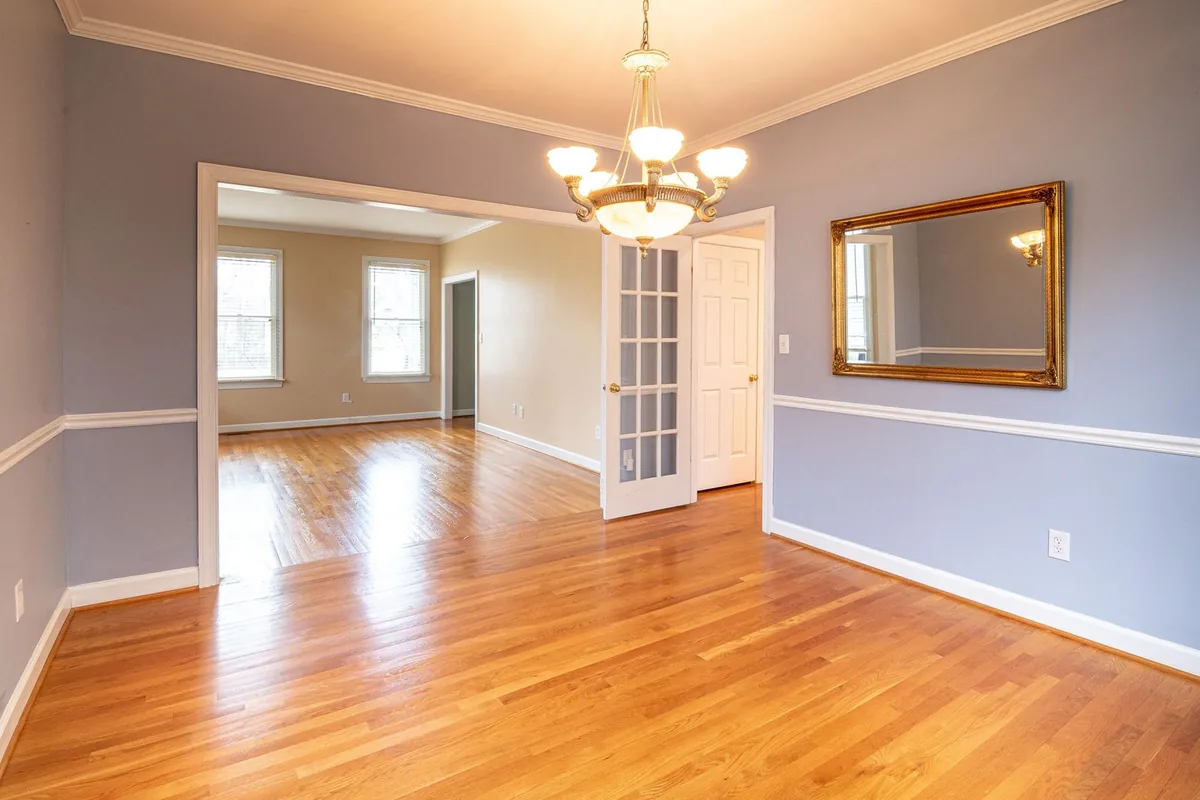
Tear gas clean up is a type of hazardous residue removal. The common agents behave differently, and the right method depends on the agent, the surfaces and the air system.
For irritant residue removal in Cole Camp and nearby areas of Benton County, call Cole Camp Biohazard Cleanup Help. You and the crew sort soft goods together, clean what can be saved and dispose of what cannot.
About 37% of housing in Benton County is vacant, so owners living elsewhere can get tear gas cleanup started by phone through a key holder. Whatever the season in Cole Camp, turn off the air system after an incident so it does not spread residue.
The work often covers:
Glass, metal, sealed wood and plastic are cleaned with products matched to the agent.
Particles travel with air and settle on horizontal surfaces and fabrics. Crews check these spots first.
Hard surfaces are decontaminated, soft goods are treated or removed and the air system is cleaned.
A last inspection and air treatment confirm the space is ready, and the owner receives an explanation of the work.
Expect tear gas & pepper spray cleanup in Cole Camp, MO to cost roughly $1,500 to $50,000, with the final price set after an on-site assessment.
A single room with hard floors is a smaller job than a whole building where the air system ran and spread residue through the vents.
| Type of job | Typical range |
|---|---|
| Commercial property | $10,000 - $50,000+ |
| Small apartment | $1,500 - $4,000 |
| Single-family home | $3,000 - $10,000+ |
Published ranges only (Tear gas cleanup cost guide); every tear gas & pepper spray cleanup job in Cole Camp is priced after an on-site look. Price drivers include property size, air system involvement, materials affected, time since exposure. Questions? Call (877) 812-4220.
Leave the area, keep people and pets out and open outside doors or windows only where it is safe. Do not run fans or the air system. Then call a cleanup team, which matches the method to the agent.
Sometimes. Some homeowners and business policies may cover cleanup after vandalism, a break-in or a covered event, and others exclude certain causes. Call your insurer before work starts and ask plainly what applies.
Not reliably. Vinegar and bleach do not neutralize these agents, and mixing products can release harmful fumes. Plain water can spread residue. Fresh air and professional removal work better.
Rules for hazardous residue vary by state, county and city. Waste may need special handling and cannot always go in the regular trash. Ask the local health department or fire department what applies.
Cleanup can be done discreetly. Ask about unmarked vehicles and quiet work practices when you call. Crews do not discuss the job with others.
Glass, metal, sealed wood and plastic often clean well. Washable fabrics may be saved depending on the agent. Carpet, padding, foam and mattresses are harder, and some must be removed. The crew sorts items with you.
Careful removal of residue that fresh air alone cannot clear.
Call (877) 812-4220